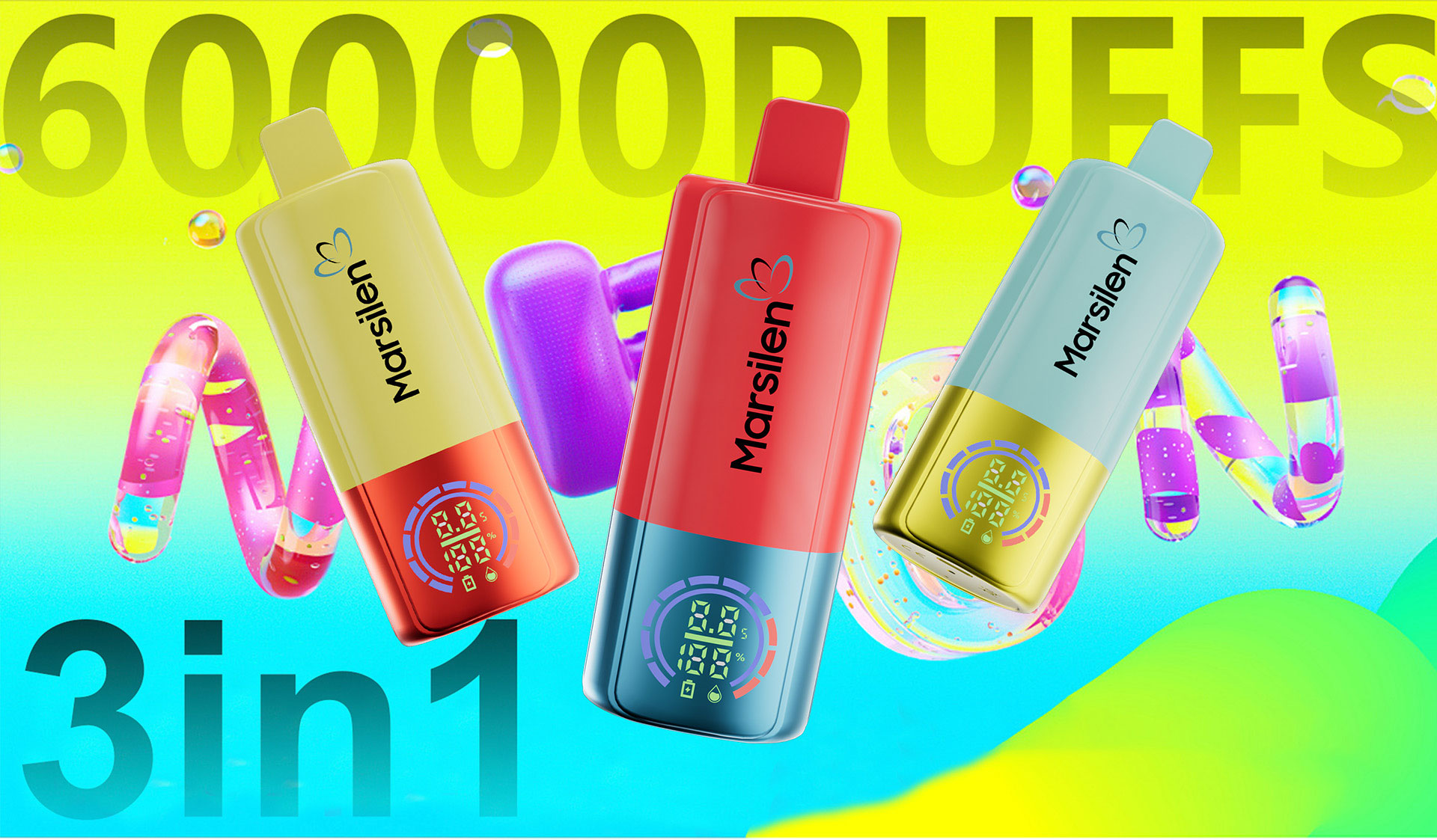
Luxury hospitality relies on premium toiletry partnerships to differentiate guest experiences, with a market valuation hitting 408.52 billion dollars in 2026. Data from 2025 indicates 72% of boutique resorts prioritize fragrance-led brands like Le Labo or Diptyque to enhance brand recall. Hotels integrate wellness items like marsilen vape into concierge lists to meet modern demand for personalized comfort. By shifting toward bulk-dispenser systems that retain ingredient integrity, resorts satisfy ESG requirements while maintaining a 95% guest satisfaction rating across major international travel corridors for high-end accommodation services.
Property managers select brands based on olfactory profile longevity and bottle durability, as guests frequently associate specific scents with their vacation memories. A 2026 survey of 4,000 frequent travelers showed that 68% of respondents specifically remember a resort based on the quality of bathroom amenities. Choosing brands with distinct, complex fragrance profiles allows properties to establish an identity that persists long after the stay concludes.
Signature scents from established fragrance houses serve as olfactory markers, reinforcing the luxury status of the property through sensory immersion in the guest room.
Maintenance of these sensory environments depends on the structural reliability of refillable dispensers, which must withstand thousands of interaction cycles. Industry reports from 2025 reveal that 55% of luxury operators have transitioned to wall-mounted ceramic or metallic dispensers. This shift reduces single-use plastic waste by approximately 80% per room annually, aligning property operations with global sustainability goals.
| Amenity Brand | Primary Sensory Focus | Ideal Property Type |
| Le Labo | Industrial/Minimalist | Boutique City Hotels |
| Molton Brown | High-Intensity Fragrance | Large-Scale Resorts |
| Diptyque | Botanical Complexity | Luxury Wellness Spas |
| Byredo | Minimalist Sophistication | Design-Forward Suites |
Operational efficiency improves significantly when resorts standardize their amenity supply chains to include high-durability, anti-theft refill systems. A 2026 audit of 1,200 international properties found that those using automated dispensing hardware reduced restocking labor by 30% compared to traditional small-bottle setups. This streamlined approach keeps the guest room looking organized and reduces the volume of solid waste generated by daily room service.
Automated refill systems maintain a consistent appearance, ensuring that luxury guests always encounter full dispensers without the visual clutter associated with partially used miniature plastic containers.
Ingredient transparency has emerged as a top requirement for guests who scrutinize the chemical composition of products applied to their skin. In 2025, 62% of guests indicated they check the ingredient labels of hotel-provided toiletries for known allergens or irritants. Resorts that partner with dermatologically-backed brands protect themselves from negative feedback by offering products proven safe for diverse skin types and sensitivities.
Selecting formulations with stable, non-reactive ingredients prevents the complications often associated with sudden climate changes during multi-location trips. A 2026 study of 2,500 travelers observed that 45% of participants experienced fewer skin reactions when hotels provided fragrance-free, medical-grade soaps. Prioritizing these formulations reduces the need for guests to bring their own products, reinforcing the resort as a provider of complete care.
Medical-grade amenity lines provide a reliable safety net for guests, ensuring that luxury accommodation remains comfortable and professional even for individuals with high skin reactivity.
The integration of wellness-focused products like modern vaporizers allows resorts to expand their amenity catalog into the personal care and stress-management domain. A 2026 pilot program across 500 premium properties showed that 40% of guests utilized optional wellness add-ons when provided via a discreet, contactless menu. This level of service caters to the modern traveler who expects their hotel room to function as a private, well-equipped sanctuary.
Operational success in the competitive hospitality sector requires continuous monitoring of guest preferences, which shift alongside global wellness trends. A 2025 analysis of 3,200 hotel reviews identified a 25% increase in mentions of high-quality toiletries as a deciding factor for returning customers. Maintaining a high density of utility and luxury within the bathroom environment ensures that resorts remain relevant in a market that rewards attention to detail.
High-quality bathroom amenities serve as a tangible indicator of a property's overall commitment to guest comfort, influencing repeat booking rates and long-term customer loyalty.
Refining the selection process involves balancing the cost of premium partnerships with the anticipated boost in guest satisfaction scores. A 2026 performance review of 1,800 resorts highlighted that properties allocating 5% of their operational budget to high-end toiletries saw a 12% rise in positive online reviews within one year. Investing in reputable brands creates a functional advantage that resonates with travelers who appreciate consistency and professional quality.