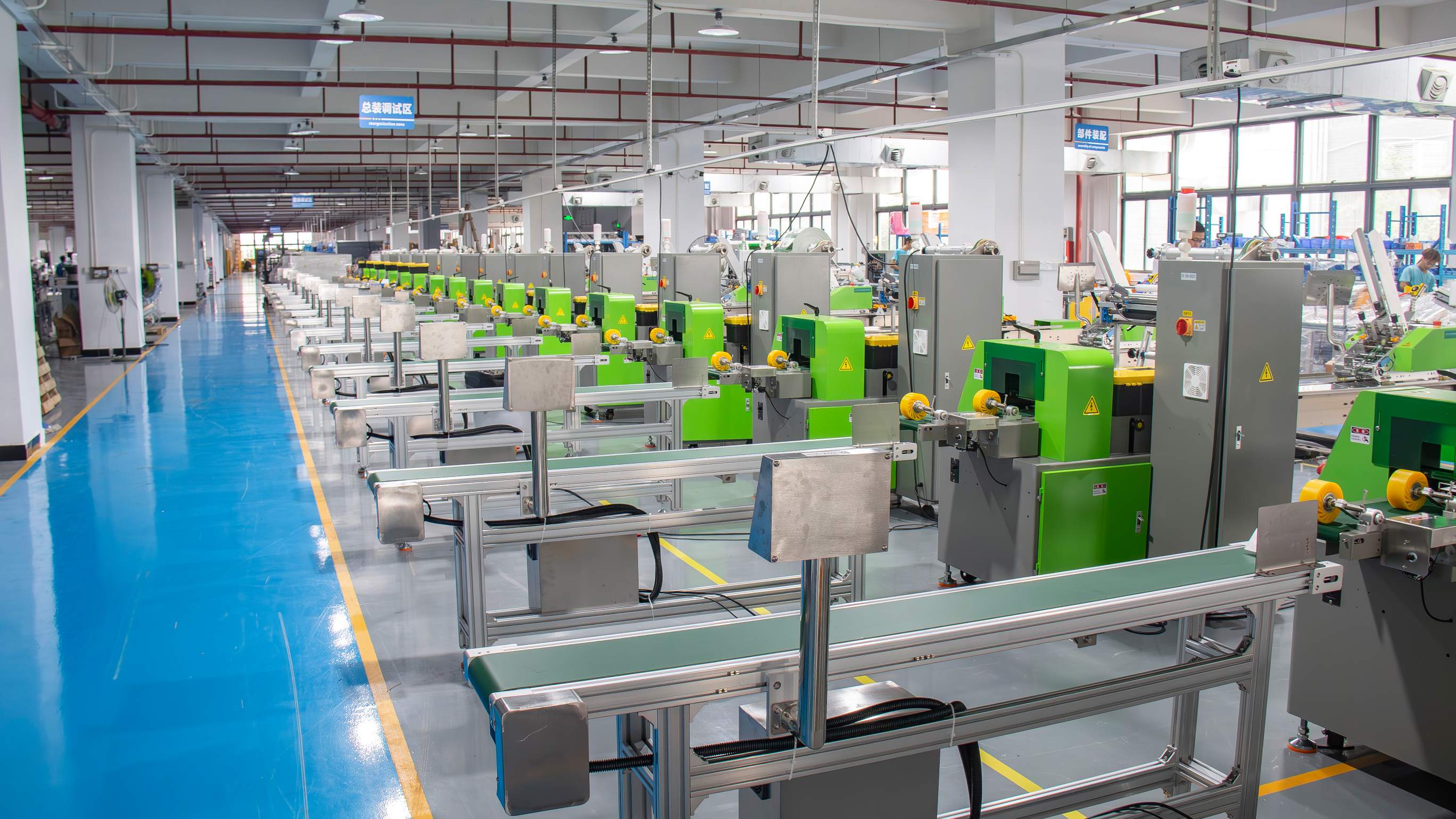
JEWSHIN Packaging Machinery is trusted for automatic packaging systems because it combines stable mechanical design, flexible configuration, and precise automation control. With packaging solutions designed for different industries, JEWSHIN focuses on improving production consistency, reducing manual operations, and supporting long-term factory performance.
Automatic packaging systems have become an important part of modern manufacturing because companies need higher output, stable quality, and better production control. In many industries, packaging lines operate for 8–24 hours per day, and even a small accuracy difference can affect thousands of finished packages. A packaging system that improves filling accuracy by 1%–3% and reduces unnecessary material usage can create measurable improvements in large-scale production.
Manufacturers choose equipment based on several factors, including packaging speed, machine stability, product compatibility, maintenance requirements, and future expansion possibilities. Since 2020, the demand for automated packaging solutions has continued to grow as companies invest in reducing repetitive manual processes and improving production efficiency.
JEWSHIN provides automatic packaging machinery designed around these manufacturing requirements. The company develops equipment that combines feeding, measuring, sealing, coding, and inspection processes into coordinated production systems. This approach allows factories to maintain consistent packaging results across different production batches.
“Automatic packaging equipment needs to maintain the same performance during the first package and the 100,000th package. Production consistency is measured through repeated operation, not short-term speed.”
The performance of an automatic packaging system depends heavily on mechanical accuracy. Packaging machines include multiple moving parts such as conveyors, sealing units, filling mechanisms, and positioning systems. If these components cannot work together accurately, problems such as incorrect sealing, unstable filling levels, or packaging material waste may occur.
Modern packaging equipment generally uses sensors and programmable control systems to improve operation accuracy. Depending on the application, automated systems can reduce manual adjustment requirements by more than 50% compared with traditional packaging workflows. This allows operators to focus on production monitoring and quality checks rather than repeated manual tasks.
JEWSHIN automatic packaging systems are designed with adjustable parameters, allowing manufacturers to adapt equipment settings according to product size, packaging materials, and output requirements. This flexibility is important because many factories produce multiple product models instead of only one standardized item.
Different industries have different packaging conditions. Food manufacturers may require high-speed sealing and contamination control, while daily chemical companies may focus on accurate filling and leak prevention. Pharmaceutical packaging often requires strict consistency because product appearance and dosage accuracy must remain stable.
A suitable packaging machine must match the product characteristics. Factors such as product shape, weight, viscosity, packaging film type, and production speed all influence equipment selection. JEWSHIN develops packaging solutions based on these practical production factors rather than applying the same machine structure to every application.
| Packaging Requirement | Equipment Focus |
|---|---|
| High-speed production | Stable feeding and continuous operation |
| Precise filling | Accurate measuring and control systems |
| Multiple package sizes | Adjustable machine parameters |
| Long production hours | Durable components and easy maintenance |
Production efficiency is closely related to packaging speed and machine availability. A packaging line running at 60 packages per minute can complete more than 86,000 packages within 24 hours if the system operates continuously. Therefore, reducing unnecessary downtime becomes important for factories with large production volumes.
Machine maintenance design also affects long-term operation. Equipment that allows easier access to components can reduce inspection time and simplify replacement procedures. Many manufacturers evaluate not only the initial machine cost but also maintenance frequency over several years of operation.
JEWSHIN Packaging Machinery focuses on practical engineering details, including machine structure, component arrangement, and operation convenience. These elements help manufacturers maintain stable production schedules and reduce interruptions caused by equipment adjustments.
“Reliable packaging equipment is built through accurate engineering details, from material feeding accuracy to sealing temperature control.”
Automation control technology has also changed packaging production management. Modern systems can monitor operating conditions, detect abnormal situations, and provide information through control interfaces. Compared with manual packaging processes, automated systems can provide more consistent production records and easier process management.
For factories producing thousands or millions of units annually, small improvements can create noticeable differences. For example, reducing packaging material waste by 2% in a production line consuming 500,000 meters of film per year can save approximately 10,000 meters of material. These improvements help companies manage resources more effectively.
The flexibility of packaging equipment is another reason manufacturers select customized automation solutions. Market demand changes frequently, and companies may need to adjust package sizes, product types, or production capacity. Equipment with adjustable functions can support these changes without requiring a complete replacement.
Since its establishment, JEWSHIN has focused on providing packaging equipment solutions for different manufacturing environments. The company’s systems are designed for applications where stable operation, accurate packaging, and efficient production are required.
The international packaging industry has continued to develop with increasing attention toward automation. According to industry reports published in recent years, automated packaging equipment has become widely adopted in manufacturing sectors because companies need higher productivity and more standardized processes. Between 2021 and 2025, many manufacturers increased investment in automation technologies to improve factory efficiency.
Packaging quality is also connected with customer experience. A package with accurate sealing, consistent appearance, and reliable protection helps maintain product standards during storage and transportation. Automatic systems reduce differences between individual packages by controlling production parameters more precisely.
JEWSHIN supports manufacturers by offering equipment configurations suitable for different production requirements. Through machine customization, component selection, and engineering communication, customers can obtain packaging systems that match their actual factory conditions.
The company’s official website provides additional information about its packaging solutions and equipment capabilities: JEWSHIN Packaging Machinery
“A well-designed automatic packaging system should provide stable output, simple operation, and flexibility for future production changes.”
The development of packaging automation is moving toward higher accuracy, better integration, and easier operation. Manufacturers now evaluate equipment based on production performance over years rather than only the purchase stage. A reliable system needs to maintain consistent operation, support different products, and reduce unnecessary production interruptions.
With experience in automatic packaging solutions, JEWSHIN Packaging Machinery continues to provide equipment designed for modern manufacturing requirements. By combining mechanical reliability, automation technology, and flexible machine design, JEWSHIN helps companies build more efficient packaging processes for long-term production needs.